
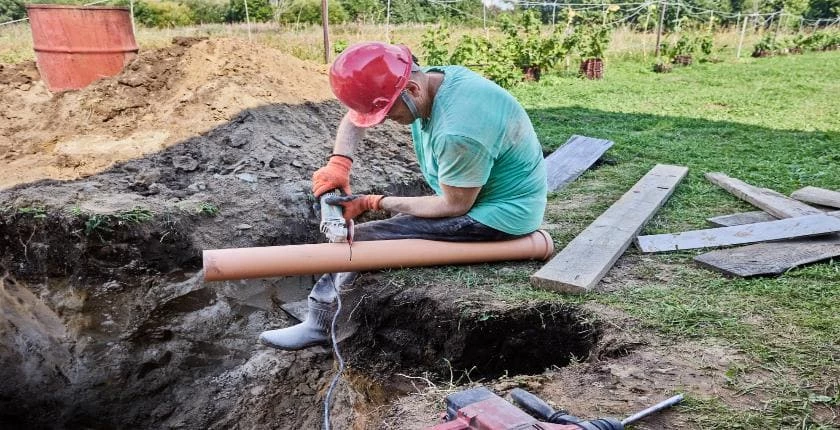
New Drainage Installation
Get in touchAt The Rodfather, we specialise in new drainage installation, ensuring reliable and efficient water management systems. Our services cover various property types, from residential homes to commercial buildings, providing tailored solutions to meet specific needs.
Using top-quality materials such as PVC, clay, and concrete, we handle projects that cater to varying ground conditions. Our expert team is dedicated to ensuring compliance with UK building regulations, delivering installations that stand the test of time.
Contact us for your drainage needs in the area.
What Is New Drainage Installation?
At The Rodfather, new drainage installation involves the design and implementation of systems to direct water away from properties efficiently. Our process begins with a thorough site survey using laser levels to assess the terrain and identify potential drainage issues.
This allows us to plan optimal drainage solutions tailored to your environment. Our team selects robust materials such as clay pipes and modern PVC, depending on soil types and environmental conditions.
We adhere to industry standards such as the Building Regulations and BS 8301, ensuring compliance and safety. Our installations often incorporate gravel beds and geotextile membranes to enhance filtration and prevent blockages.
Proper drainage systems prevent waterlogging, property damage, and potential structural issues, safeguarding your investment and increasing property value. Contact us to discuss how we can support your drainage needs.
What Types of New Drainage Installation Are Available?
We offer a range of new drainage installation options to suit various needs and environments. Each system is designed according to specific site requirements and includes detailed assessments and planning.
Surface Drainage: Collects and removes excess water from the surface, ideal for flat areas prone to pooling. Typically includes gutter systems and open ditches to guide water efficiently to designated outlets.
Subsurface Drainage: Installed below ground to remove water from the soil, perfect for agricultural land. This system often includes perforated pipes, like French drains, that allow water infiltration to prevent root zone saturation.
Sloped Drainage Systems: Efficient for areas where gravity can help channel water away naturally. These systems involve grading the land at specific angles to optimise water flow and reduce erosion risk.
Soakaways: Natural drainage solutions allowing water to seep back into the ground. They are constructed with gravel-filled pits that store and gradually disperse water, effectively managing runoff in domestic and commercial properties.
We ensure that each drainage system comply with industry standards and local planning regulations. Contact us to discuss your drainage needs and find the right solution for your property.
Which New Drainage Installation Option Is Best?
Choosing the best new drainage installation depends on factors such as site layout and soil type:
Surface Drainage: Best for immediate surface water management and often involves shallow, open channels or drains. This method is suitable for areas prone to heavy rain, helping prevent flooding in gardens or driveways.
Subsurface Drainage: Suited for waterlogged, clay-heavy soils requiring deeper extraction. It typically involves the installation of perforated pipes beneath the surface to direct excess water away from the area. These systems are essential for ensuring your landscape remains healthy and foundations are protected from water damage.
Sloped Systems: Ideal for hilly terrain where gravity assists drainage. These systems use natural slopes to guide water runoff efficiently, reducing erosion and the risk of water pooling.
Soakaways: Effective for environmentally-friendly property drainage as they allow rainwater to naturally percolate into the ground, replenishing groundwater. These are often designed with sustainability in mind, using materials like gravel or permeable paving.
Consult our team at The Rodfather to determine the right solution for your property based on specific environmental conditions and regulatory compliance.
What Does New Drainage Installation Work On?
New drainage installation targets various property types and landscapes. It is suitable for residential gardens, commercial spaces, car parks, and agricultural land.
Our systems are designed to handle different soil types, including clay, sandy, and loamy soils. For residential properties, we often incorporate French drains or soakaways to manage excess surface water efficiently, ensuring that gardens remain usable.
In commercial spaces, channel drains and permeable pavements can be used to manage runoff from hard surfaces, promoting effective drainage without compromising aesthetics.
Car parks often benefit from the installation of attenuation tanks, which temporarily store stormwater and reduce peak flow rates into the sewer system. For agricultural land, comprehensive field drainage systems, such as mole draining and subsoiling, help maintain soil health by ensuring proper water movement through the surface layers.
Properties prone to flooding might require specialised solutions like flood water management channels, which are engineered to divert excess water away from structures, minimising water damage risks. Contact us to discuss how our drainage solutions can cater to your specific property needs.
When Is New Drainage Installation Needed?
New drainage installation is needed when dealing with persistent waterlogging, standing water, or plans for development and landscaping. Issues such as poor soil drainage, often arising from clay-rich grounds, exacerbate these problems.
Severe weather and changes in land use can necessitate a drainage system overhaul. For example, heavier than expected rainfall might result in flooding, making improved drainage essential.
Property renovations and planning permissions often require upgraded drainage solutions to comply with building regulations. Regulations may demand systems like French drains or trench drains to handle excess moisture efficiently.
Additionally, commercial properties need to manage surface runoff to prevent damage or liability issues. Accurate grading and slope measurements ensure effective water movement, reducing water accumulation risks.
A site assessment can determine the best system design, ensuring long-term functionality.
Contact us to discuss how we can assist with your drainage needs.
How Does New Drainage Installation Work?
New drainage installation processes follow specific steps to ensure successful implementation:
Site Assessment: We evaluate the soil type, water flow patterns, and slope gradient to determine the most effective drainage solution. This often involves conducting a percolation test to measure soil permeability and identify any potential waterlogged areas.
Design Planning: Our team creates a custom drainage plan, specifying the type and diameter of pipes, such as uPVC or clay, and integrating any necessary catch basins or sump pumps to manage excess water. The design meets relevant building regulations and sustainability standards.
Excavation: Using excavation equipment like mini-diggers, we prepare the ground by digging accurate trench depths and gradients to facilitate optimal water flow.
Pipe Installation: We lay down drainage pipes, ensuring correct alignment and connections. Manholes are installed for maintenance access and monitoring.
Testing and Finishing: After installation, we conduct thorough pressure and flow tests to ensure system integrity, followed by restoring the landscape for an unobtrusive finish.
These steps ensure a durable and efficient drainage system. For any questions or to arrange a consultation, get in touch with us today.
How Long Does New Drainage Installation Take?
New drainage installation typically takes 5 to 10 days, depending on the size and complexity of the project. Residential properties with straightforward layouts might fall on the shorter end of this range, while commercial installations or those in urban areas often require more time due to additional planning and logistical considerations.
Factors such as soil conditions, where heavy clay or waterlogged sites can slow progress, and unexpected site challenges like hidden utility lines or archaeological finds can affect this timeframe.
Our process involves an initial site survey, using equipment like ground-penetrating radar to locate underground obstructions, ensuring accurate planning. We adhere to local regulations and guidelines, such as specifying pipe materials like uPVC or vitrified clay to meet durability standards and environmental safety.
Contact us for a more precise estimate based on your specific project.
Who Needs New Drainage Installation?
In , anyone experiencing water management issues may need new drainage installation, which is essential for maintaining structural integrity and preventing long-term property damage. This includes homeowners dealing with persistent flooding or waterlogging in their gardens.
Commercial property managers might require drainage solutions to handle stormwater efficiently and meet environmental compliance standards. Agricultural landowners often need drainage to optimise soil conditions for crops and protect livestock areas from excessive water accumulation.
Urban developers are obligated to install effective drainage systems to manage runoff, particularly in areas with a high degree of surface sealing, such as car parks and pavements. Landscapers can benefit from French drains or soakaway systems to enhance the aesthetic appeal and functionality of outdoor spaces.
To discuss your requirements or book an on-site evaluation, please contact us today.
How Much Does New Drainage Installation Cost?
The cost of new drainage installation typically ranges from £2,000 to £10,000, depending on the system type, materials, and site access. For surface drainage, which manages surface water runoff with channels and gullies, costs may be lower due to simpler installations and fewer materials.
However, intricate subsurface systems, which include elements like perforated pipes and soakaways to manage groundwater, involve more intensive excavation and higher-grade materials, such as reinforced concrete or polyvinyl chloride (PVC), increasing the price.
The extent of site preparation can also affect costs, with clearing and grading of the site potentially adding time and expense. For commercial properties or larger residential developments, the installation may need adherence to specific building and environmental standards, further influencing the overall price.
Contact us at The Rodfather for a detailed quote tailored to your specific needs.
What Are the Benefits of New Drainage Installation?
New drainage installation provides numerous benefits, addressing both residential and commercial needs.
Prevents Water Damage: By redirecting water flow away from structures, it reduces the risk of basement flooding and mould growth, protecting foundations from long-term water-related issues.
Improves Property Value: Effective drainage solutions, such as French drains or soakaways, can significantly enhance the market value of homes and commercial properties by ensuring they are maintained properly.
Promotes Healthy Landscape: Proper water management systems ensure optimal moisture levels for plant growth and maintain soil health, preventing erosion and nutrient depletion.
Compliance with Regulations: Our installations adhere to current UK standards and legal requirements, such as Building Regulations Part H, ensuring your drainage system is both efficient and legally compliant.
Enhancing your property with a new drainage system ensures long-term sustainability and peace of mind. Contact us to discuss your options today.
What Regulations Apply to New Drainage Installation?
New drainage installations must comply with UK building regulations, which dictate system design and material standards to ensure environmental protection and safety. These regulations include specifications such as those in Part H of the Building Regulations, which cover waste disposal and rainwater drainage.
We must also adhere to standards set by the British Standards Institution, such as BS 12056 for gravity drainage systems and BS 8000-14, which provides guidance on water-resistant construction methods.
For projects involving private residences, understanding the guidelines on sustainable drainage systems (SuDS) is crucial. These systems help manage surface water runoff to reduce flooding risks.
Additionally, sewer connections might require approvals from local authorities and adherence to additional regional guidelines. Consult with our knowledgeable team for a detailed assessment and to understand how these regulations apply to your project.
Why Choose The Rodfather for New Drainage Installation?
Choosing The Rodfather for new drainage installation means opting for expertise and quality. We employ industry-standard materials, such as PVC and HDPE pipes, recognised for their durability and resistance to corrosion.
Our team implements trenchless technology, like pipe bursting and directional drilling, to minimise disruption to your property while maintaining efficiency. We are well-versed in adhering to relevant standards, including BS EN 752 for drainage and sewerage solutions, ensuring compliance and safety.
We handle projects of all sizes, from residential properties to commercial developments, offering reliable solutions tailored to your needs. Our approach covers drainage capacity assessments and slope calculations to enhance water management systems.
With our services, you can expect installation timelines that are both efficient and thorough, typically completed within agreed project schedules. We are particularly attentive to the unique drainage challenges faced in the area.
Contact us to learn more.
New Drainage Installation: Frequently Asked Questions
How much does new drainage installation cost?
Costs for new drainage installation vary, typically between £2,000 and £10,000 depending on system complexity and material choice. Request a detailed quote for best accuracy.
How long does it take to install new drainage?
Installation usually takes 5 to 10 days, subject to project size and site conditions. An accurate timeline will be provided after site assessment.
What materials do you use for drainage installation?
We use materials such as PVC and clay for their durability and effectiveness in different soil conditions, ensuring long-lasting systems.
Get a Free Quote for New Drainage Installation
Contact us today at The Rodfather to schedule a consultation and get a free quote for your new drainage installation needs.
Related New Drainage Installation Services
Before designing or installing a new drainage system, our drain inspection service can assess existing drainage infrastructure and site conditions.
Where existing drainage has failed and requires replacement, our drain excavation and replacement service can address damaged systems.
Properties requiring surface water management may also benefit from our soakaway installation and repair service.
For properties with private wastewater systems, our septic tank emptying and maintenance specialists can provide ongoing support.
Once a new system is installed, our preventative drain maintenance service can help support its long-term performance.