
Soakaway Installation & Repair
Get in touchAt The Rodfather, we provide expert soakaway installation and repair services, addressing water drainage issues for both residential and commercial properties. Our team uses industry-approved methods to ensure efficient installation, including gravel beds and geotextile membranes, which help control excess water and prevent flooding.
We cater to properties across the area, ensuring tailored solutions for every client. Contact us today to discuss your soakaway needs.
What Is Soakaway Installation & Repair?
At The Rodfather, soakaway installation and repair involve creating an underground system to manage surface water runoff. We design and install these systems using gravel, perforated pipes, and geotextile membranes to efficiently filter and disperse water.
Our installations adhere to Building Regulations Part H, ensuring compliance and reliability. Soakaways alleviate pressure on public drainage systems, prevent floods during heavy rainfall, and minimise the risk of waterlogging in gardens and landscapes.
We use equipment such as mini-excavators for precise digging and levels to ensure correct gradient alignment, which enhances drainage performance. Regular maintenance and repairs, such as clearing blockages or replacing damaged segments, may be necessary to maintain their effectiveness, especially for commercial properties with larger surface areas.
Our team is ready to assist with these tasks, ensuring the system continuously performs optimally. Contact us for your soakaway installation or repair needs.
What Types of Soakaway Systems Are Available?
When installing soakaways, we offer several types to suit different needs:
Traditional Pit Soakaways: A simple gravel-filled pit allowing water infiltration. This method is ideal for small-scale residential projects where soil permeability is moderate to high.
Modular Soakaway Systems: Pre-formed crates installed underground for high-capacity needs. These are suitable for commercial properties or large residential developments, offering efficient stormwater management and easy maintenance access.
Perforated Pipe Systems: Network of pipes in a trench for even water distribution. This type is often used in areas with uneven terrain or where controlled dispersal of water is necessary, following standards like the Building Regulations Part H.
Geocellular Systems: Lightweight blocks forming a void space for effective drainage. These systems are versatile and can be used under green spaces or footpaths to provide a sustainable drainage solution with high load-bearing capabilities.
We select each system type based on site conditions and drainage requirements, ensuring optimal water management for every project. If you need assistance choosing the right soakaway, contact us for expert advice.
Which Soakaway Option Is Best?
Selecting the right soakaway system depends on site-specific factors such as soil permeability and available space. We start by conducting a percolation test to measure the soil's infiltration rate, which helps us determine the most efficient system for water management.
Traditional Pit: Ideal for small-scale projects with good soil drainage, constructed using gravel and an open sump design.
Modular Systems: Suitable for larger areas requiring higher water storage, made from lightweight plastic units stacked to maximise volume.
Perforated Pipe: Best for areas needing uniform water spread, these pipes are laid on a gravel bed to facilitate even distribution.
Geocellular: For sites with limited excavation depth but high storage need, using interlocking plastic cells meeting BS 7533 standards.
Each option has its merits, depending on the site's specific requirements and local planning regulations. Consider professional evaluation to ensure the right choice for your property.
Contact us for advice on the best option for your property.
What Does Soakaway Installation & Repair Work On?
Soakaway systems are suitable for various property types. They work effectively on domestic lawns, commercial landscaping, driveways, and parking areas.
These systems efficiently manage surface water runoff, preventing flooding and waterlogging by directing water into underground drainage solutions. For properties with loamy or sandy soils, soakaways can function even more efficiently, as these soil types offer superior drainage capabilities.
However, areas with clay-dense soil or contaminated grounds might not be suitable due to poor drainage abilities, requiring alternative options like attenuation tanks or permeable paving. Our team conducts thorough percolation tests to assess soil conditions and ensure compliance with Building Regulations.
We also consider the proximity to buildings and water courses to prevent structural damage. A detailed site survey helps tailor the installation process to meet the specific needs of each property, ensuring durability and effectiveness.
Contact us today to arrange your consultation.
When Is Soakaway Installation & Repair Needed?
Soakaway installation and repair is needed when properties experience flooding, water pooling, or overflowing drains. Poor drainage and frequent heavy rains are indicators that a soakaway might be necessary.
Regular inspections can reveal blockages or failures that require attention to ensure effective drainage.
Beyond these signs, properties with clay soil often need soakaways due to its slow water absorption rate. We use materials like large-grade gravel and drainage fabric to construct effective soakaways, adhering to the Building Regulations Part H standards.
Advanced methods like percolation tests are conducted to assess soil permeability and determine the correct size and location for the soakaway system. Residential properties, as well as commercial and rural buildings with large surface areas, can benefit from such systems.
Maintenance is also crucial, as regular de-silting and jetting ensure full functionality. Contact us today to evaluate your drainage needs.
How Does Soakaway Installation & Repair Work?
Here's how our soakaway process typically unfolds:
Assessment: We start with an initial property survey using laser levelling tools to determine the feasibility of a soakaway system. Soil percolation tests are conducted to assess drainage suitability.
Design: Our team plans the soakaway system to comply with Building Regulations Part H, ensuring it meets specific hydraulic calculations and environmental considerations.
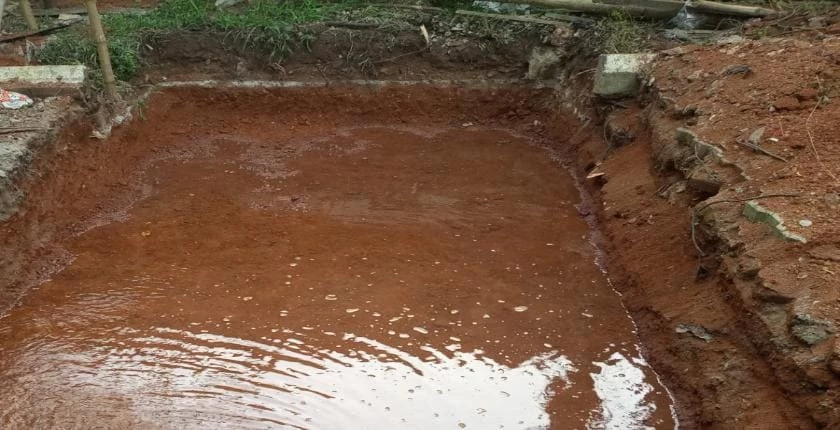
Excavation: We excavate the required pits or trenches, often employing mini excavators for precision in confined spaces. The depth and width are determined based on site-specific factors.
Installation: We carefully lay geotextile membranes, filtration gravel, and perforated pipes, using materials like polypropylene or HDPE for durability and non-corroding properties.
Inspection: After installation, we perform water flow tests and conduct checks to make sure the system efficiently disperses water without overloading the soil.
For a reliable installation, reach out to our experts.
How Long Does Soakaway Installation & Repair Take?
A soakaway installation generally takes 2 to 4 days, depending on site complexity and size. In the initial stages, we conduct thorough site assessments using techniques such as soil percolation tests to determine the suitability and capacity of the ground.
This influences the design phase, where we choose materials like gravel or modular plastic crates to match the project's requirements. For repairs, the time frame can vary, especially when dealing with blockages or structural failures, which may require excavation and replacement of compromised components.
The use of mechanical diggers and laser levels ensures precision during excavation. Adhering to building regulations and environmental standards, we ensure a reliable and sustainable solution.
Though initial assessments and design phases may add time, our installation and curing processes are efficient, ensuring minimal disruption. Contact us to discuss your specific project needs and timelines.
Who Needs Soakaway Installation & Repair?
Our soakaway services are ideal for homeowners, commercial property managers, and developers looking to improve site drainage. Soakaways help manage rainwater runoff by allowing it to percolate into the ground, preventing waterlogging and reducing the risk of flooding.
Properties in flood-prone areas significantly benefit from these systems. We use materials like perforated pipes and gravel to construct efficient and durable soakaway systems.
Additionally, older properties with traditional drainage systems often require soakaway repairs to maintain functionality. For new installations, we adhere to Building Regulations Approved Document H to ensure compliance and efficiency.
With options such as gravel- or crate-based soakaways, we can customise solutions to meet specific site conditions and space constraints. Get in touch to find out more about how we can assist your drainage needs.
How Much Does Soakaway Installation & Repair Cost?
The cost for soakaway installation typically ranges from £1,000 to £5,000. Prices vary based on system size, complexity, and soil conditions.
Factors such as the depth of excavation and type of materials used, such as perforated pipes and geotextile membranes, can also influence expenses. We adhere to the Building Regulations Part H guidelines to ensure proper installation and performance.
For repairs, costs might be less, depending on the severity and nature of the issue like blockages or pipe damage. We conduct an initial site assessment using CCTV surveys to pinpoint problems accurately, which is crucial for precise quoting.
Contact us for a free, no-obligation estimate.
What Are the Benefits of Soakaway Installation & Repair?
Soakaway systems offer numerous advantages, making them an essential choice for both domestic properties and commercial sites. By using a network of perforated pipes and gravel-filled trenches, they effectively manage water runoff.
Flood Prevention: Soakaways reduce the risk of localised flooding by facilitating ground absorption of rainwater, especially beneficial in areas prone to heavy rainfall and with poor natural drainage.
Improved Drainage: They enhance overall site drainage capabilities by directing excess water away from buildings and paved areas.
Environmental Impact: These systems decrease the strain on main sewer systems by lessening water treatment loads and promoting natural infiltration, aligning with environmental regulations like the Sustainable Drainage Systems (SuDS) standards.
Property Protection: Soakaways protect the structural integrity of properties by preventing water damage to foundations and landscaping.
Call our team to experience these benefits on your property.
What Regulations Apply to Soakaway Installation & Repair?
Soakaway installations in the UK must adhere to Building Regulations Part H to ensure safe and effective drainage. Additionally, the Environment Agency's General Binding Rules may apply, especially for larger soakaways or those near water sources, to prevent groundwater contamination.
Compliance with local council planning permissions is occasionally necessary, particularly for commercial projects. In areas with high water tables, soakaway designs might require specific adaptations to meet standards outlined in the British Standard BS 6297.
Our team is experienced in navigating these regulations, ensuring our installations meet all required specifications and environmental protections. We assess each site to determine the necessary permissions and design elements, working closely with local authorities where needed.
For homeowners and commercial property owners alike, we provide guidance through the regulatory maze to facilitate hassle-free installations.
Why Choose The Rodfather for Soakaway Installation & Repair?
Choosing The Rodfather for your soakaway installation and repair means benefiting from our expertise, efficient techniques, and clear customer communication. Our team is skilled in using materials like perforated pipes and geotextile membranes to enhance water infiltration and soil stability.
We follow all relevant building regulations and standards, such as the Building Regulations 2010 and British Standard BS 6297, to ensure compliance and safety. Our tools include soil testing equipment to accurately assess ground conditions before commencing work.
This allows us to design a system that meets the specific needs of residential properties, commercial buildings, or public spaces. From initial assessment to installation and testing, our experienced team ensures your drainage issues are thoroughly addressed.
Get in touch today to start your project.
Soakaway Installation & Repair: Frequently Asked Questions
How Much Does Soakaway Installation & Repair Cost?
In , costs typically range from £1,000 to £5,000 depending on the system size and site conditions. Precise quotes are available upon request.
How Long Does Soakaway Installation & Repair Take?
Soakaway installation can take 2 to 4 days on average, including excavation and installation, but excluding any additional assessment time.
How Often Should a Soakaway Be Inspected?
We recommend inspecting a soakaway every three to five years to ensure it is functioning correctly and to identify any potential blockages or issues.
What Are the Signs That a Soakaway Needs Repair?
Signs include water pooling, slow drainage, or overflow in your property, indicating that repairs or maintenance might be needed.
Do I Need Permission for a Soakaway System?
In some cases, planning permission is needed, especially in conservation areas or for larger projects.
Get a Free Quote for Soakaway Installation & Repair
Contact The Rodfather today to discuss your soakaway installation or repair needs.
Related Soakaway Installation & Repair Services
Where a soakaway is damaged or failing, our drain repair service can investigate connected drainage issues and identify suitable solutions.
For completely new surface water drainage requirements, our new drainage installation service can provide new drainage infrastructure.
Where existing drainage systems require investigation before work begins, our drain inspection service can assess the condition of the relevant pipework.
For properties requiring wider drainage planning before purchase, our pre-purchase drainage surveys can help identify potential drainage concerns.
Ongoing drainage performance can be supported through our preventative drain maintenance service.